Career essentials

Career paths are as diverse as the profession itself

A career with direction

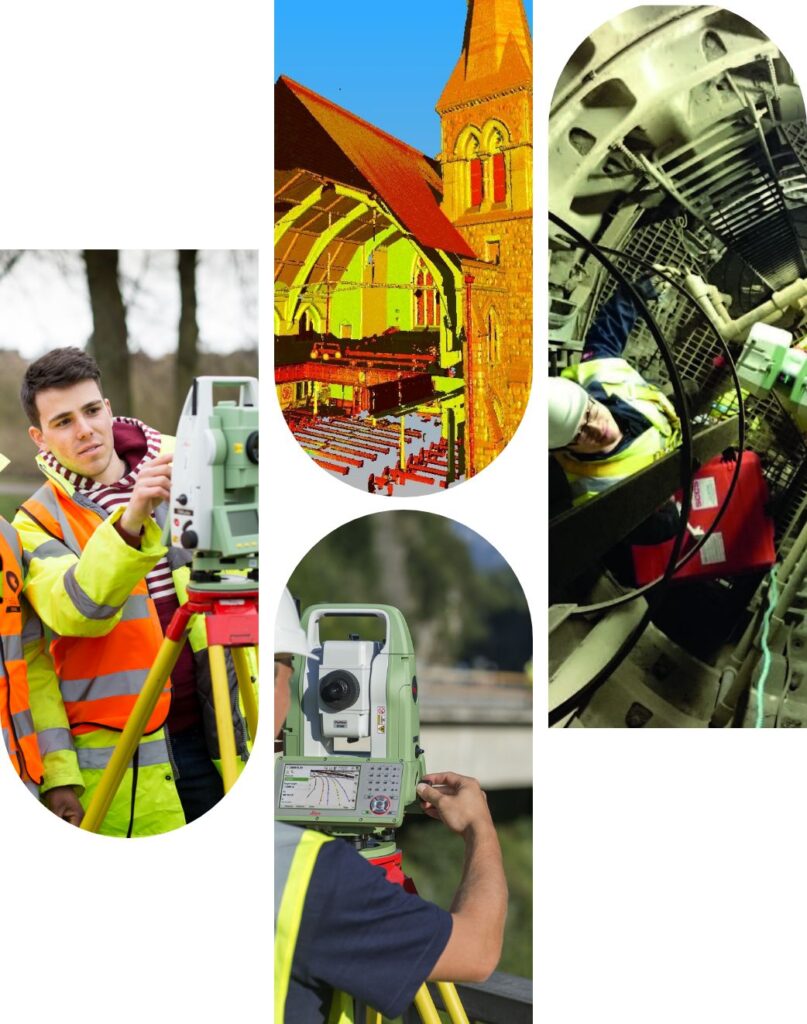
A career in geospatial surveying is your gateway to shaping the world we live in — and to a profession that offers real variety, responsibility, and room to grow. Surveyors play a vital role in understanding and managing the physical world, from charting coastlines and mapping cities to uncovering underground utilities that keep our communities running.

As technology advances, so do the opportunities. Surveyors work with drones, 3D laser scanners, GPS systems, and advanced mapping software — tools that bring precision and innovation to every project. With experience, you can take on greater responsibility, leading survey teams, managing complex projects, or specialising in fields such as land, hydrographic, or utility surveying.
Getting started – entry level 1

Trainee Surveyor • Assistant Surveyor • Apprentice

  • Learn the basics of fieldwork, data collection, and mapping.
  • Work alongside experienced surveyors and develop essential technical skills.

Building experience – skilled and qualified 2
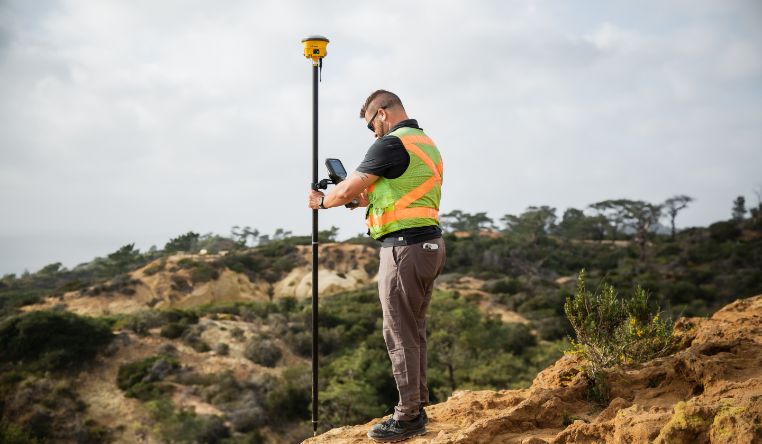
Surveyor • Geospatial Technician

  • Take on more responsibility in projects and data analysis.
  • Gain recognised qualifications or complete further study.
  • Start specialising in areas such as land, hydrographic, or engineering surveying.

Expanding your expertise – senior & specialist roles  3

Senior Surveyor • Survey Project Manager • GIS Specialist

  • Manage teams, projects, and clients.
  • Focus on advanced technologies and complex survey projects.
  • Develop leadership, planning, and decision-making skills.

Gaining accreditation – professional recognition4

Chartered Surveyor (RICS) • Member (CICES)

  • Achieve professional status and formal recognition of your expertise.
  • Access higher-level opportunities and increase your earning potential.

Shaping the future – leadership & beyond  5
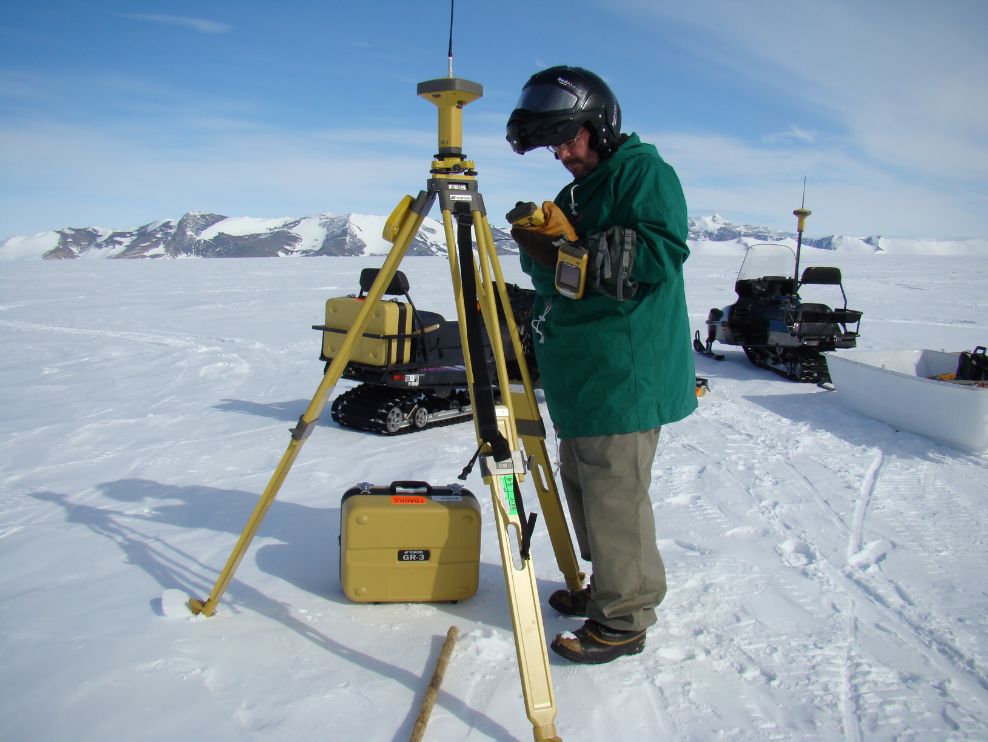
Chief Surveyor • Consultant • Geospatial Data Scientist

  • Lead major projects or start your own consultancy.
  • Mentor others and influence innovation in geospatial technology.
  • Transfer your skills into related industries — your options are wide open!

Career snapshot

Earning potential

Check out the latest jobs in different locations all over the UK, showing job descriptions and salaries

Your path into surveying

Becoming a surveyor means learning the right technical skills and getting hands-on experience. Whether through courses, apprenticeships, or degrees, the training you choose will help you start your career and grow in this exciting field.

University degree
BSc/BEng in geospatial-related field
3 – 4 years
Master’s degree
MSc (optional for specialisation)
+1 yr
Apprenticeship
Level 3–6 (earn + study)
2 – 5 years
Short courses
Certs or diplomas (entry to mid roles)
Varies

Opportunities ahead

Geospatial surveying is a career on the rise, with demand growing across many industries. As cities expand and technology advances—think drones, satellites, and powerful mapping software – the need for skilled surveyors keeps increasing.

Surveyors are involved in all kinds of projects, from building new roads and bridges, to protecting the environment, helping farmers use land more efficiently, and supporting major government initiatives.

Learning in-demand skills, like working with GIS tools or flying drones, can give you a real edge in the job market. If you enjoy technology, being outdoors, and solving problems, surveying offers plenty of exciting opportunities and a strong future.

What skills do I need?

Surveying uses a mix of technical know-how, problem solving, and people skills. Some of the key skills that will help you succeed include:

  • Technology – using the latest tools and software.
  • Observation – noticing details others might miss.
  • Data analysis – making sense of maps, measurements, and results.
  • Problem solving – finding solutions to challenges on the job.
  • Communication – sharing ideas clearly with clients and your team.
  • Teamwork – working well with others on projects big and small.
  • Adaptability – adjusting when plans or conditions change.
  • Attention to detail – making sure everything is accurate and precise.


Who’s hiring surveyors?

Surveyors work in lots of different places.

You might find yourself with an engineering or construction firm, a government agency, or a surveying and geospatial consulting company. Some surveyors work for utility or infrastructure providers, while others join oil, gas, or mining companies. There are also opportunities with environmental and conservation organisations, the military and defence, or even tech and geospatial software companies.

Case studies

Success via an academic pathway

Land Surveyor, Tri-Tech
Isabel Rickaby BSc (Hons)

Achievement via an apprenticeship route

Assistant Engineer (GIS & Mapping), Solihull Metropolitan Borough Council
Ryan Wilson

Accomplishment via a work experience track

Senior Engineer, TfL Land Survey
Benjamin Brewster MCInstCES, Senior Engineer